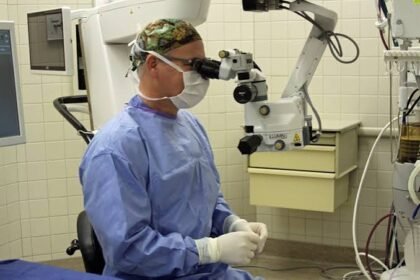


An anesthesiologist specializing in interventional pain management evaluates chronic pain and develops treatment plans based on individual patient needs. Available approaches include medication management, image-guided procedures, and other interventional treatments for specific pain conditions. The specialist is able to review symptoms and diagnostic findings before discussing appropriate pain management options. Here is more information about the anesthesiologist’s role in pain managment for patients with chronic conditions:
Diagnosing the Source
An anesthesiologist specializing in pain management begins the diagnostic process by reviewing the patient’s symptoms and medical history. The physician may also evaluate previous treatments and available imaging to gather information about the source of discomfort. These findings help guide decisions about additional diagnostic testing or treatment options.
Diagnostic nerve blocks may provide additional information about specific nerves or structures associated with pain. Pain specialists are able to use ultrasound or fluoroscopic guidance during certain procedures to visualize the targeted treatment area. The physician reviews diagnostic findings and the patient’s response before discussing appropriate next steps in the pain management plan.
Delivering Targeted Procedures
An anesthesiologist specializing in interventional pain management performs procedures based on the patient’s diagnosis and individual treatment needs. Image guidance may assist with certain procedures by helping the physician visualize the targeted area during treatment. Available interventional options include:
- Providing epidural injections: Medication targets areas associated with certain spinal and nerve-related conditions.
- Performing radiofrequency ablation: Radiofrequency energy targets selected nerves involved in transmitting pain signals.
- Providing joint injections: Injections may address conditions involving the hips, knees, or shoulders.
- Using spinal cord stimulation: This treatment involves a device that delivers electrical impulses near the spinal cord.
The anesthesiologist selects an interventional approach based on symptoms, diagnostic findings, and the underlying condition. Treatment options vary because conditions such as sciatica and spinal disc problems involve different structures and care needs. The Discseel Procedure represents another available treatment option for certain cervical and lumbar disc conditions.
Managing Medication Safely
Medication may form one part of a broader interventional pain management plan. An anesthesiologist reviews the patient’s medical history, current medications, and symptoms before discussing appropriate medication options. Follow-up appointments allow the physician to monitor treatment response and adjust medication recommendations based on individual needs. The specialist may coordinate medication with procedures or other therapies according to the patient’s condition and treatment plan.
Coordinating Multidisciplinary Care
Multidisciplinary pain management may combine several treatment approaches based on the patient’s diagnosis and individual needs. An anesthesiologist reviews symptoms, medical history, and treatment goals before coordinating appropriate services. Different areas of care are able to address separate aspects of a patient’s condition.
Available approaches include interventional pain management, physical therapy, pain medicine, and alternative medicine. A patient with an auto accident injury may receive a different treatment plan than someone with arthritis or another chronic condition. Follow-up appointments allow the specialist to review progress and adjust the multidisciplinary care plan as individual needs change.
Schedule With an Anesthesiologist Today
An anesthesiologist specializing in pain management evaluates symptoms, medical history, and diagnostic findings to guide treatment planning. Available care is able to include interventional procedures, medication management, physical therapy, and other treatment approaches based on individual needs. Appointment availability varies, and patients can discuss scheduling options when contacting the office. Schedule a consultation with a pain management anesthesiologist today to discuss your condition and available treatment options.