
Allergies are a common health concern that families may encounter. Learning how the body responds to certain triggers can bring clarity during moments of uncertainty. An allergic reaction happens when the immune system treats a harmless substance as a threat; these responses range from mild discomfort to serious events that call for immediate attention. Knowing what to watch for, as well as how these reactions are generally managed, helps you respond when your child feels unwell.
What Is an Allergic Reaction?
An allergic reaction is the body’s defensive response to a substance it mistakes for something dangerous. This substance is called an allergen; common allergens include certain foods, insect stings, pollen, pet dander, dust mites, and medications. When a child with a sensitivity comes into contact with one of these triggers, the immune system releases chemicals. These chemicals produce the symptoms that people recognize as an allergy.
Children can develop allergies at any age. Some outgrow them over time, while others carry sensitivities into adulthood. Food allergies may appear early in life, and reactions to environmental triggers become noticeable as a child spends more time outdoors or around animals.
Not every reaction looks the same. One child might respond to peanuts with a rash, and another experiences swelling or breathing difficulty. The type and severity depend on the allergen, as well as the amount of exposure and the individual child’s immune response.
What Are the Signs?
Allergic reactions can affect the skin, the digestive system, and the respiratory tract, as well as other parts of the body. Recognizing the signs early allows parents to act quickly. There are many mild to moderate symptoms, and these may include:
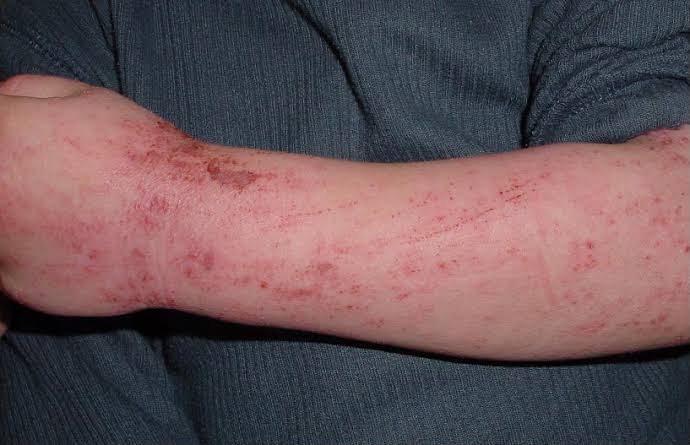
- Skin that is red, itchy, or raised, sometimes appearing as hives
- Sneezing or nasal congestion
- Eyes that are itchy or watery
- Stomach pain, nausea, vomiting, or diarrhea
- Swelling of the face
Some reactions become far more serious. A severe, whole-body response, known as anaphylaxis, can develop within minutes of exposure. Signs of anaphylaxis may include:
- Difficulty breathing or wheezing
- Swelling of the throat
- Tightness in the chest
- Fainting
Anaphylaxis is a medical emergency. If a child shows any of these signs, seek help without delay. Symptoms can escalate quickly, so close observation after a known exposure is a sensible practice.
What Should You Do?
For children with known severe allergies, a doctor may prescribe an epinephrine auto-injector. This device delivers medication that counteracts a severe reaction. After using an auto-injector, emergency care is still needed because symptoms may return. A specialist can help identify specific triggers through testing, and this allows them to develop a personal management plan. This plan may outline how to avoid allergens, which medications to keep on hand, and what steps to take during a reaction.
Seek Prompt Medical Care
Allergic reactions are unpredictable, and even mild responses can change over time. When reactions appear severe or when breathing becomes difficult, treat the situation as an emergency and seek immediate care. A medical care provider can guide you toward safe, practical strategies that protect your child.