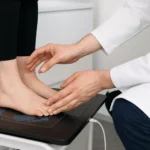


A family practice doctor treats patients of all ages, and they address a wide range of everyday health needs. You get one provider who knows your history. Since they see infants, adults, and seniors, they build long-term relationships that aim to make each visit smoother. Here are some of the services provided by a family practice doctor:
Sick Visit Exams
Sudden symptoms send many people looking for quick answers. A family practice doctor evaluates coughs, fevers, sore throats, and stomach issues, and they order tests when needed. When your symptoms point to an infection, they prescribe treatment and explain the next steps clearly.
Clinics offer quick appointments for these concerns. Since timing matters with illness, prompt care helps you understand what is happening in your body. You describe what you feel, the doctor examines you, and a plan follows within minutes.
Minor Injury Care
Cuts, sprains, and minor burns happen during ordinary days. The doctor cleans wounds and applies stitches, and they might check for more serious damage. When a bone might be fractured, they order imaging to confirm the diagnosis.
Minor injuries treated at a family care clinic include:
- Small lacerations that need stitches
- Sprained ankles and wrists
- Minor burns and scrapes
- Deep splinters or foreign objects in the skin
Since these injuries rarely require an emergency room, a family practice offers a practical alternative for non-life-threatening cases. You walk in with a problem, and you leave with a clear treatment plan.
Chronic Condition Management
Long-term conditions need steady attention, and this may stretch over months and years. A doctor tracks diabetes, high blood pressure, asthma, and thyroid disorders. When your numbers shift, they adjust medications and review your daily habits.
Regular checkups keep these conditions monitored. Since chronic conditions change over time, ongoing visits let your provider catch problems early. You bring questions, the doctor reviews your test results, and together you set goals.
Your doctor also coordinates care with specialists, and they may be needed for complex treatment. They share records, explain referrals, and follow up after appointments. When several providers treat you, a family practice doctor keeps the full plan in one place.
Medical Weight Loss
Weight affects many parts of your health, and a doctor addresses it directly. They review your medical history, run lab work, and discuss realistic changes. When a medication fits your situation, they explain how it works.
Since medical supervision tracks your health during the process, your provider watches for side effects along the way. You meet with your doctor, and the plan reflects your specific needs. A medical weight loss program may include:
- Physical exams and lab testing
- Nutritional tips and activity guidance
- Prescription medication options when appropriate
- Regular progress checkups
Visit a Family Practice
A family practice doctor covers regular checkups and minor issues at one location. You get consistent care from a provider who knows your background. Since a single office addresses many needs, scheduling typically stays simple for the whole family. Call a local clinic to book an appointment today, bring your questions, and start building care that fits your life.