

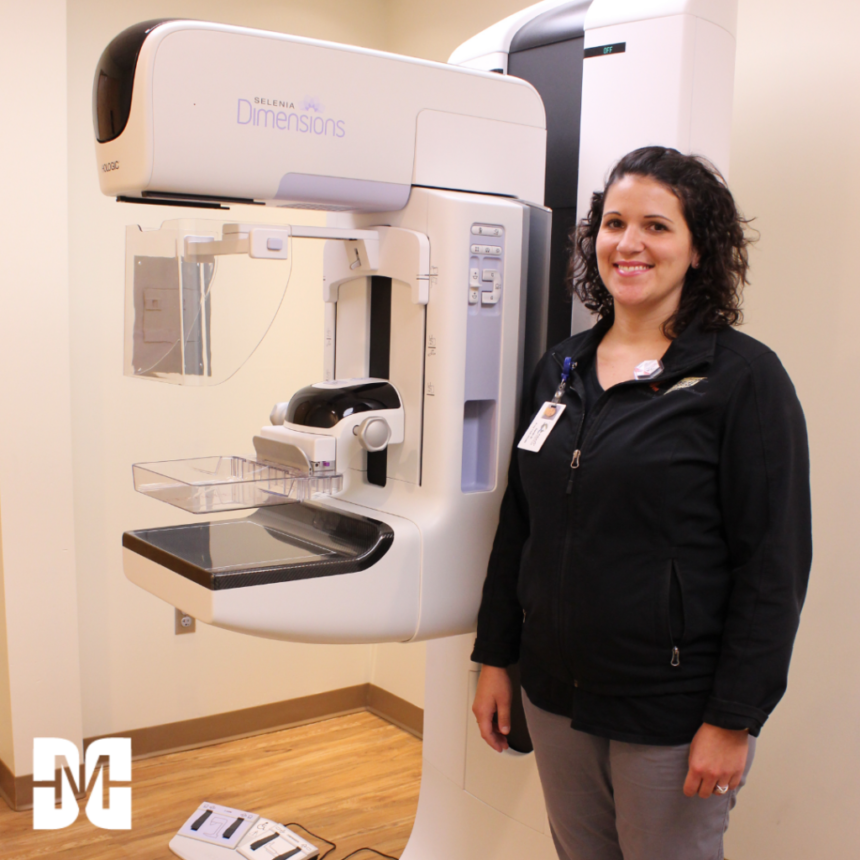
A mammogram is a screening tests that examine breast tissue for early changes. Early detection often improves treatment options, and earlier treatment can lead to better results. You may be unsure about scheduling one, but understanding the process helps; when you know what to expect, the appointment is manageable.
Understand Your Detection Results
A mammogram can find small changes before symptoms appear, giving you and your care team the information needed to act quickly.
How Does a Mammogram Work
The images show tissue clearly, and radiologists review them for anything unusual. Mammograms can detect lumps too small to feel during a physical exam. That level of detail matters, making a measurable difference in how early treatment will begin. Two main types exist; digital and 3D mammograms. Your doctor will recommend the right one for you. 3D imaging captures multiple angles of breast tissue, and this helps radiologists identify changes.
How Does Detection Guide Care
Because these tests help identify tumors at earlier stages, your care team sometimes gains more time to plan treatments. When results come back clear, you gain peace of mind; when they show something, you gain the ability to respond promptly. Early-stage findings may involve more treatment options, so you and your doctor choose an approach that fits your needs. The information a mammogram provides is concrete and actionable, which makes it a practical tool in breast health care.
Build Your Screening Routine
Regular screening supports your long-term health. Screening does not stop cancer from forming, but it helps catch it early enough to treat. Your doctor will suggest a schedule based on your age and history, and following that schedule keeps monitoring consistent. When you attend appointments regularly, you build a record over time, and your team can spot subtle changes. Prevention here means staying ahead of problems. Consistency is key. Skipping appointments creates gaps in your record, which makes it harder to track changes accurately. Each scan adds a reference point, giving your care team a clearer picture of what is normal for you. If something shifts between screenings, having prior images allows for direct comparison and guides next steps. Regular screening is not a one-time decision; it is an ongoing commitment to your health, and each appointment builds on the last.
Get Clear Guidance
Your care team explains each result. If a scan shows something, they will recommend follow-up tests, and those tests confirm what the images suggest. Guidance matters because you deserve to understand your options, and clear explanations help you make decisions. You can ask questions at any point during the process. When you understand the next steps, you are prepared. A result that needs follow-up does not always indicate cancer. Your doctor will explain the difference between a routine callback and a finding that needs closer attention.
Follow-up steps may include additional imaging or a biopsy, and each step gives your team more information to work with. Knowing what to expect at each stage helps you stay calm and engaged. Write down your questions before your appointment, or bring someone with you if that helps. Your care team is there to guide you, and open communication makes the process easier. When you share your concerns, your team can address them directly, leading to better, more personalized care.
Book Your Mammogram Today
Mammograms play a measurable role in early detection and treatment planning. Booking one is simple, and the appointment takes only a short time. You can schedule online or call the office, and your team will answer any questions you have before you arrive. Take this step for your health, since it lets them support you through the process.