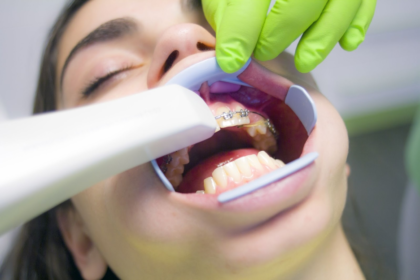


A toothache signals a problem inside your mouth, and it demands attention from a dentist. Home remedies offer short-term relief while you wait for an appointment. They soothe the pain, but they do not fix the source of a toothache, and the underlying issue will remain until a professional treats it.
Rinses That Ease Toothache Pain
Many people need help managing a toothache before they can get in to see a dentist. A saltwater rinse ranks among the simplest first steps. Mix half a teaspoon of table salt into 8 ounces of water, swish it around, then spit it out. Do not swallow the solution, and floss gently around the sore tooth to clear away trapped food. A hydrogen peroxide rinse provides another option, but it must be diluted with water before use. Combine equal parts hydrogen peroxide and water, rinse thoroughly, then spit out the mixture. Do not swallow it.
Medicines and Cold Relief
Over-the-counter pain relievers reduce discomfort. Adults can take ibuprofen or naproxen, while acetaminophen provides another option. If you choose aspirin, swallow it rather than placing it directly on the tooth or gums, because direct application can damage the tissue inside your mouth. A cold compress helps when your face swells. Apply an ice pack to your cheek intermittently during the first 24 to 36 hours, and this can ease pain associated with a chipped or loosened tooth. Swelling paired with fever or red gums could point to an abscess that needs prompt dental care.
Numbing and Natural Options
Several remedies numb the sore area for a short time. Over-the-counter anesthetic gels and liquids contain benzocaine, and you apply them directly to the tooth and nearby gums. These products suit short-term use only; benzocaine carries a rare risk of methemoglobinemia, a condition that reduces the blood’s ability to carry oxygen, and it is not safe for children younger than 2.
Clove oil offers a natural approach. Rub it on the sore spot, or soak a cotton ball and dab it against the tooth and gums. Clove oil has been studied for its numbing effects, and it can provide temporary relief. Two kitchen items also offer options. Vanilla extract contains alcohol that can numb pain, so dab a small amount on the aching tooth with your finger or a cotton ball. A cooled peppermint tea bag can soothe sore teeth and gums, and these remedies provide temporary relief rather than treating the source of the pain.
Understanding Treatment Risks
Home remedies serve as temporary measures, not replacements for dental care. Over-the-counter pain relievers stay safe when used at the correct dose, but overuse or long-term use brings complications. Read the label, follow the recommended amount, and stop using the medicine if problems appear. Some risks tied to overuse include:
- Liver or kidney damage
- Diarrhea, nausea and stomach upset
- Ringing in the ears or deafness
- Stomach ulcers
- Trouble forming blood clots
Call Your Dentist Today
Any tooth pain warrants a call to your dentist, because even brief pain can signal a problem that needs treatment. Jaw pain with a popping or clicking noise could point to a TMJ disorder, and that symptom deserves professional review. A dentist examines the tooth and may take an X-ray to find the source; from there, treatment depends on the underlying problem. Home care buys you time, but a dentist addresses the cause, so arrange professional care.