
Lower back pain affects many people at some point in their lives, and it ranges from a dull ache to sharp discomfort, limiting daily movement. The causes vary widely, though muscle strain, poor posture, and injury top the list. The techniques below give you practical steps to manage the pain at home. Here are some technqiues to relieve lower back pain:
Taking Pain Relievers
Over-the-counter medication offers a first line of defense against lower back pain. Options like ibuprofen and naproxen are used to reduce inflammation, and acetaminophen dulls the ache without targeting swelling. As these drugs carry side effects, read the label before you take a dose.
Follow the recommended amount, and never mix medications without guidance. If your pain lasts more than a few weeks, a doctor may suggest stronger prescriptions that fit your history. A pharmacist answers questions about interactions when you feel unsure.
Stretching and Exercising Gently
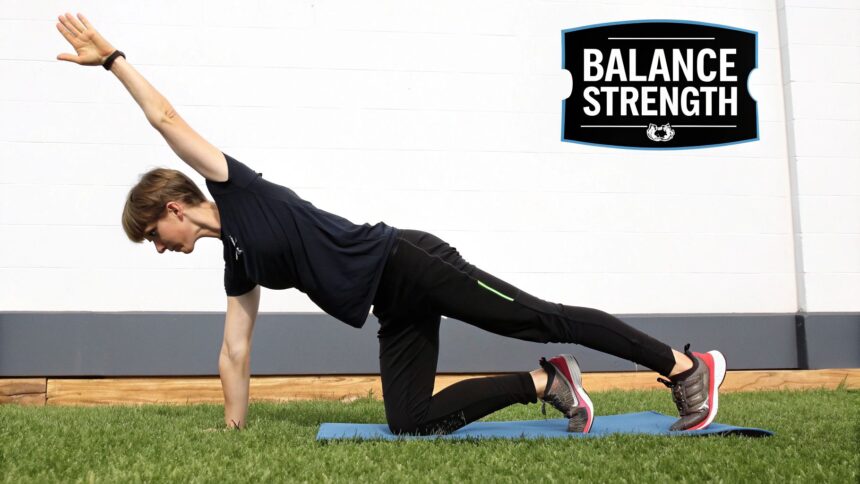
Movement keeps stiff muscles from tightening further. Gentle stretches loosen the lower back, and light activity supports the surrounding muscles. When you move consistently, your back adjusts to the routine over time. A few simple exercises target the lower back safely:
- Knee-to-chest stretches
- Cat-cow poses
- Pelvis tilts
- Walks every day
Start slowly, and stop if any movement sharpens the pain. Since overexertion worsens symptoms, keep each session brief. A physical therapist designs a plan that matches your fitness level when you need extra support.
Using Heat and Ice
Temperature therapy addresses back pain in two distinct ways. Ice numbs the area, and it reduces swelling right after an injury. Apply a cold pack for 15 to 20 minutes during the first two days.
Heat works better once the initial swelling fades. It relaxes tight muscles, and it increases blood flow to the sore region. When you use a heating pad, place a towel between the pad and your skin to avoid burns.
Heat and ice can be used together in some cases for maximum relief. Alternating between cold and heat therapy is a simple way to address both swelling and muscle tightness effectively. While ice reduces inflammation and heat are used to improve circulation, combining the two methods may provide comprehensive relief for back pain if done correctly.
Losing Weight
Extra body weight adds strain to the lower back. The spine supports more load, and the surrounding muscles work harder to keep you upright. Since this pressure builds over time, gradual weight loss eases the burden.
A balanced diet paired with regular activity helps you reach a healthier weight. Small changes to your meals add up across weeks and months. If you struggle to lose weight, a dietitian creates a plan around your needs and preferences.
Consistency matters more than speed, and small wins keep you moving forward. When you stay patient, the routine becomes part of your daily life. Track your progress in ways that keep you motivated:
- Log meals in a simple app
- Weigh yourself once a week
- Set realistic monthly targets
Address Lower Back Pain
These techniques give you concrete ways to manage lower back pain at home. As every case differs, some methods may suit your situation better than others. Try one approach at a time, and note how your body responds. Pay attention to which methods reduce your discomfort most. If your pain continues or grows worse, schedule an appointment with a healthcare provider today.